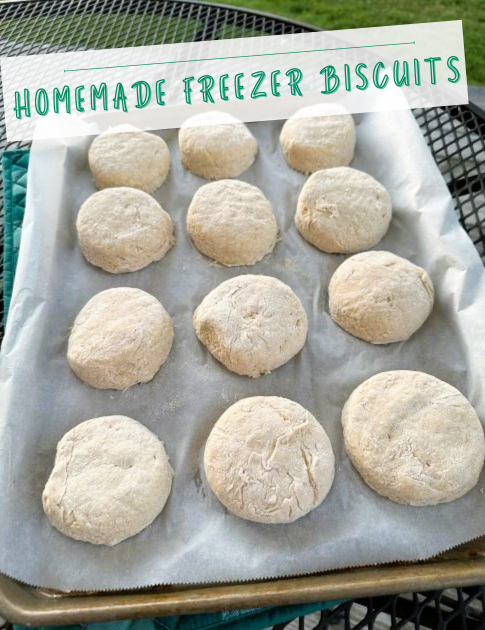
Homemade Freezer Biscuits: Flaky Perfection Beyond Store-Bought
Imagine waking up to the aroma of warm, golden biscuits, ready to be slathered with butter, jam, or nestled alongside your favorite breakfast fixings. For many, this sounds like a luxurious weekend treat, a vision quickly shattered by the reality of a chaotic weekday morning. But what if we told you that flaky, tender, homemade biscuits could be a regular feature in your busy life, without adding a single minute to your morning routine? The secret lies in a brilliant culinary strategy: the
make ahead biscuits recipe.
Forget the compromise of store-bought, pre-packaged dough that often falls short on flavor and texture. With a little foresight and a simple process, you can stock your freezer with superior, homemade biscuits that are ready to bake or reheat in minutes, offering a taste of comforting perfection that truly goes beyond anything you can buy. This ingenious method isn't just for seasoned bakers; it's a game-changer for anyone looking to bring more joy and deliciousness to their table with minimal effort.
Why Homemade Freezer Biscuits Are a Game Changer
In our fast-paced world, finding time for a wholesome, satisfying breakfast can feel like a luxury. This is precisely where the beauty of a well-executed
make ahead biscuits recipe shines. It transforms what might seem like an involved baking project into a convenient, grab-and-go solution that elevates your daily meals.
*
Unrivaled Taste and Texture: Let's be honest, store-bought biscuits often lack the ethereal flakiness, buttery richness, and subtle tang of a truly great homemade biscuit. When you make them yourself, you control the quality of ingredients, resulting in a superior product that's more satisfying and free from unwanted additives.
*
Convenience Redefined: The primary appeal of this method is the incredible time-saving aspect. While making a batch of biscuits might take 20-30 minutes, there are countless mornings when even that small window feels impossible to find. By having a freezer full of ready-to-reheat biscuits, you shave precious minutes off your morning prep, allowing for a calmer start to your day. It’s perfect for those bustling back-to-school mornings, or simply when you want a little extra sleep.
*
Cost-Effective Goodness: Regularly purchasing pre-made biscuit dough can add up. Making biscuits from scratch using basic pantry staples like flour, butter, and buttermilk is significantly more economical, allowing you to enjoy this comfort food more often without breaking the bank.
*
Endless Customization: One of the most exciting advantages of making your own biscuits is the freedom to customize. Whether you crave savory cheese biscuits, herby variations, or even fully assembled sausage biscuits, you have the creative license to make them exactly how you like. This level of personalization is impossible with mass-produced options.
Mastering Your Make Ahead Biscuits Recipe: The Foundation
The journey to perfect homemade freezer biscuits begins with a solid base recipe and a few fundamental baking principles. You don't need to be a pastry chef; consistency and attention to detail are key.
First, select a reliable biscuit recipe. Many swear by a classic
three-ingredient buttermilk biscuit recipe for its tangy flavor and tender crumb, or a simple
two-ingredient cream biscuit recipe for its incredible richness and ease. Both types work exceptionally well for freezing. The important thing is to choose a recipe that you trust and that consistently yields light, fluffy results.
To ensure that coveted flaky perfection, remember these crucial tips:
*
Keep Ingredients Cold: This is arguably the most important rule for biscuits. Cold butter or shortening, combined with cold buttermilk, creates steam in the oven as it melts, which is what gives biscuits their distinct layers and flaky texture.
*
Minimal Handling: Overworking the dough develops gluten, leading to tough biscuits. Mix just until the ingredients are combined, and fold or roll gently. The less you touch it, the better.
*
Lamination Technique (Simple Folding): For extra flakiness, after gently bringing the dough together, lightly pat it into a rectangle, fold it into thirds (like a letter), rotate it, and pat it down again. Repeat this process 2-3 times. This simple act creates dozens of thin layers that puff up beautifully.
*
Straight Cuts: When cutting your biscuits, press your biscuit cutter straight down without twisting. Twisting can seal the edges of the biscuit, preventing it from rising to its full potential.
Once you’ve mixed and cut your biscuits, you're ready for the next crucial step in preparing your
make ahead biscuits recipe.
The Freezing Process: From Oven to Freezer (and Back!)
The true genius of homemade freezer biscuits lies in the efficient freezing process. For optimal results and convenience, we recommend baking your biscuits first.
*
Bake and Cool Completely: Bake your biscuits according to your recipe's instructions until they are golden brown and cooked through. This ensures they are fully set and stable before freezing. Once baked, it is absolutely essential to allow them to cool completely on a wire rack. Any residual warmth will create condensation inside the packaging, leading to ice crystals and potential freezer burn.
*
Customize Your Stash: This is where you can truly personalize your freezer supply. While your biscuits are baking, consider preparing some fillings or additions.
*
Sausage Biscuits: Cook a batch of sausage, crumble it, and mix with a little gravy if desired. Once the biscuits are cool, slice them horizontally, add a spoonful of sausage, and reassemble.
*
Cheese Biscuits: If you love cheese, you can either incorporate shredded cheese directly into the biscuit dough before baking, or if you prefer a sharper cheese that might be lost in the dough, you can add a slice to the warm biscuit after baking, letting it melt slightly before cooling and freezing.
*
Herb Biscuits: Fold fresh or dried herbs like rosemary, chives, or thyme into the dough before baking.
Remember to leave a good portion of your biscuits plain. These versatile biscuits are perfect for serving with butter and jam, soaking up savory gravies, or pairing with a fried egg.
*
Packaging for Longevity: Proper packaging is paramount to prevent freezer burn and maintain freshness.
1.
Wrap Individually: Once cooled, wrap each biscuit tightly in freezer paper or plastic wrap. This extra layer of protection helps seal in moisture and prevents individual biscuits from sticking together.
2.
Airtight Container: Place the wrapped biscuits into a heavy-duty, sealable freezer bag or an airtight freezer-safe container.
3.
Label and Date: Always label your bag or container with the type of biscuit (e.g., "Plain Buttermilk," "Sausage & Cheese") and the date they were made. This ensures you know what you're reaching for and helps you rotate your stock. Properly stored, baked biscuits can last in the freezer for up to 2-3 months.
*
Reheating for Perfection: When you're ready to enjoy your frozen biscuits, reheating is a breeze.
*
Oven Method: For best results, preheat your oven to 300-350°F (150-175°C). Place frozen biscuits on a baking sheet and heat for 10-15 minutes, or until warmed through and tender.
*
Air Fryer Method: If you have an air fryer, this is a fantastic option for quick reheating. Place frozen biscuits in a single layer in the air fryer basket and cook at 300°F (150°C) for 5-8 minutes, checking periodically.
*
Microwave Method: While convenient, the microwave can sometimes make biscuits a little tough. Heat for 30-60 seconds on high, checking frequently. This method is best if you’re planning to drown them in gravy!
Beyond Breakfast: Creative Uses for Your Stash
While the primary appeal of a
make ahead biscuits recipe is undeniably a hassle-free breakfast, your freezer full of homemade biscuits holds potential far beyond the morning meal. Their versatility makes them an invaluable ingredient for various culinary creations.
*
Dinner Sides: Reheat a few plain biscuits to serve alongside a hearty stew, chili, or roasted chicken. They're perfect for soaking up rich sauces and adding a comforting element to any dinner.
*
Pot Pie Toppers: For a twist on traditional pastry crust, cut larger biscuits in half horizontally and arrange them over individual portions of chicken pot pie before baking. The flaky layers add a delightful texture.
*
Savory Sandwiches: Turn a plain biscuit into a quick lunch by splitting it open and filling it with deli meat, cheese, or even leftover pulled pork.
*
Dessert Delights: Plain biscuits can be transformed into a rustic dessert. Split them, lightly toast if desired, and top with fresh berries and a dollop of whipped cream for an easy, delightful strawberry shortcake alternative.
Incorporating this simple meal prep strategy into your routine, as discussed in
Master Make-Ahead Biscuits: Quick Breakfasts Made Easy, can truly revolutionize your approach to home cooking. For even more detailed guidance on making your mornings effortless, be sure to check out
Simple Make-Ahead Biscuits: Your Guide to Effortless Mornings.
Conclusion
Embracing the
make ahead biscuits recipe is more than just learning a new technique; it’s adopting a lifestyle change that prioritizes convenience, quality, and the simple pleasure of homemade food. From saving precious minutes on busy mornings to offering a versatile component for countless meals, homemade freezer biscuits deliver flaky perfection that consistently outshines their store-bought counterparts. So, the next time you have a spare hour, gather your ingredients, bake a few batches, and stock your freezer. You’ll thank yourself later when that irresistible aroma fills your kitchen, bringing a touch of comfort and ease to even the most hectic of days.